
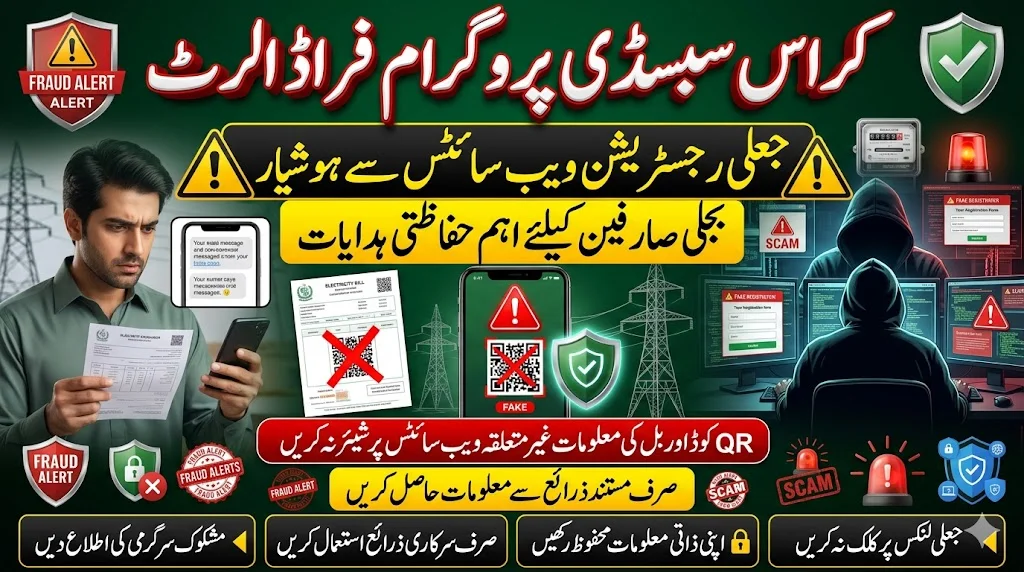
The growing popularity of the Cross Subsidy Program has encouraged thousands of electricity consumers to search online for registration methods, subsidy eligibility, and electricity bill relief updates. Unfortunately, cybercriminals are using this public interest as an opportunity to launch fake registration campaigns and misleading QR code verification scams.
Across Pakistan, many consumers have reported receiving messages through WhatsApp, Facebook, Telegram, and other platforms claiming that they can secure electricity bill discounts by scanning a QR code or submitting electricity bill details through unofficial websites. While some of these messages appear genuine, many are designed to collect personal information and electricity account data.
Understanding how these scams work can help electricity users protect themselves from fraud and avoid sharing sensitive information with unauthorized sources.
Why QR Code Scams Are Targeting Electricity Consumers
As more services move online, scammers are finding new ways to trick users into sharing personal information. Electricity bills now include QR codes that help consumers access account-related services and payment information.
Fraudsters often exploit this feature by convincing users that scanning or uploading their QR code is required for subsidy approval.
Many scam messages use phrases such as:
- Verify your subsidy eligibility now
- Complete QR verification immediately
- Limited-time electricity relief registration
- Confirm your account to receive subsidy benefits
- Scan your bill to activate discount eligibility
These tactics are designed to create urgency and encourage consumers to act without verifying the source.
What Is the Cross Subsidy Program?
The Cross Subsidy Program is widely discussed among electricity consumers because it is associated with electricity bill relief and support initiatives.
Whenever a government-related program gains public attention, scammers often create fake websites and registration pages that imitate official announcements.
Consumers should understand that not every website or social media post discussing the Cross Subsidy Program is authentic. Before sharing any information, it is important to verify the source carefully.
How Fake QR Code Verification Scams Work
Most electricity bill fraud campaigns follow a similar pattern.
Step 1: The Consumer Receives a Message
The scam usually begins with a message claiming that the consumer qualifies for a subsidy or discount.
Step 2: A Registration Link Is Shared
The message includes a website link or online form.
Step 3: QR Code Submission Is Requested
Users are instructed to upload a bill image or scan the QR code printed on the bill.
Step 4: Personal Information Is Collected
The fake portal asks for details such as:
- CNIC Number
- Mobile Number
- Electricity Bill Reference Number
- Home Address
- Consumer Information
Step 5: Information Is Stored
The collected data may then be used for fraudulent purposes or future scam attempts.
Why Sharing Your Electricity Bill QR Code Can Be Risky
Many consumers believe the QR code is only used for payments. However, electricity bills contain important account-related information that should not be shared carelessly.
Possible risks include:
Fake Subsidy Enrollment
Scammers may misuse your information in unauthorized registration attempts.
Personal Data Collection
Fraudsters often gather personal details through fake forms.
Identity-Related Fraud
Personal information may be combined with other data obtained online.
Future Scam Attempts
Once scammers have your information, they may target you again through calls or messages.
This is why consumers should always exercise caution before uploading electricity bill images online.
Warning Signs of a Fake Subsidy Website
Many scam websites look professional, making them difficult to identify at first glance.
Here are some common warning signs.
Promises of Guaranteed Approval
No legitimate subsidy program guarantees approval without verification.
Pressure to Act Quickly
Messages claiming that registration will close within hours are often suspicious.
Suspicious Domain Names
Always review the website address carefully before entering information.
Poor Website Quality
Broken pages, spelling mistakes, and low-quality content can indicate a fake website.
Requests for Excessive Information
Legitimate services usually request only necessary details.
Social Media–Only Announcements
Be cautious when information is available only through unofficial social media pages.
How Electricity Consumers Can Protect Themselves
A few simple precautions can significantly reduce the risk of becoming a victim of online fraud.
Verify Every Announcement
Check information through trusted and recognized sources.
Avoid Sharing Full Bill Screenshots
Electricity bills contain sensitive information.

Never Upload QR Codes to Unknown Websites
Only use trusted registration systems when required.
Ignore Suspicious WhatsApp Messages
Many scams begin through forwarded messages.
Review Website Authenticity
Always inspect the website domain carefully.
Stay Updated Through Reliable Sources
Following verified updates can help prevent misinformation.
What To Do If You Already Shared Your Information
If you uploaded your electricity bill or QR code to an unverified platform, take action immediately.
Monitor Your Electricity Account
Watch for unusual activity or unauthorized changes.
Save Evidence
Keep screenshots of suspicious messages and websites.
Avoid Further Interaction
Do not continue sharing information with the platform.
Report Fraud Attempts
Notify the appropriate authorities if necessary.
Remain Alert
Scammers sometimes make follow-up contact using different methods.
Acting quickly can help reduce potential risks.

Common Mistakes Consumers Should Avoid
Many fraud incidents occur because people trust information too quickly.
Avoid these common mistakes:
- Clicking unknown registration links
- Trusting every social media post
- Uploading electricity bills publicly
- Sharing personal details without verification
- Ignoring suspicious website addresses
- Believing instant approval promises
Taking a few extra minutes to verify information can prevent serious problems later.
Why Public Awareness Is Important
As more consumers search for electricity relief programs and subsidy updates, scammers continue adapting their methods.
Fraud campaigns are becoming increasingly sophisticated, and some fake websites closely resemble legitimate platforms. Public awareness remains one of the most effective ways to prevent fraud.
Consumers who verify information before taking action are far less likely to become victims of online scams.
Frequently Asked Questions (FAQs)
Is it safe to upload my electricity bill QR code online?
Consumers should only share electricity bill information through trusted and verified channels.
Can scammers misuse electricity bill information?
Fraudsters may attempt to collect account-related and personal information through fake registration campaigns.
How do I identify a fake subsidy website?
Look for suspicious domains, urgent pressure messages, unrealistic promises, and requests for excessive information.
Should I trust subsidy links shared on WhatsApp?
Always verify the information independently before clicking any registration link.
What should I do if I already shared my QR code?
Monitor your account, save evidence, stop further communication with the source, and report suspicious activity if necessary.
Final Words
Interest in the Cross Subsidy Program continues to grow as electricity consumers look for ways to reduce monthly expenses. Unfortunately, scammers are also taking advantage of this trend by creating fake QR code verification campaigns and misleading registration portals.
Consumers should remain cautious, verify information carefully, and avoid sharing electricity bill details through unverified platforms. Protecting your personal information is the best way to stay safe from online fraud and misleading subsidy registration scams.